

Project co-financed by the European Union from the European Regional Development Fund



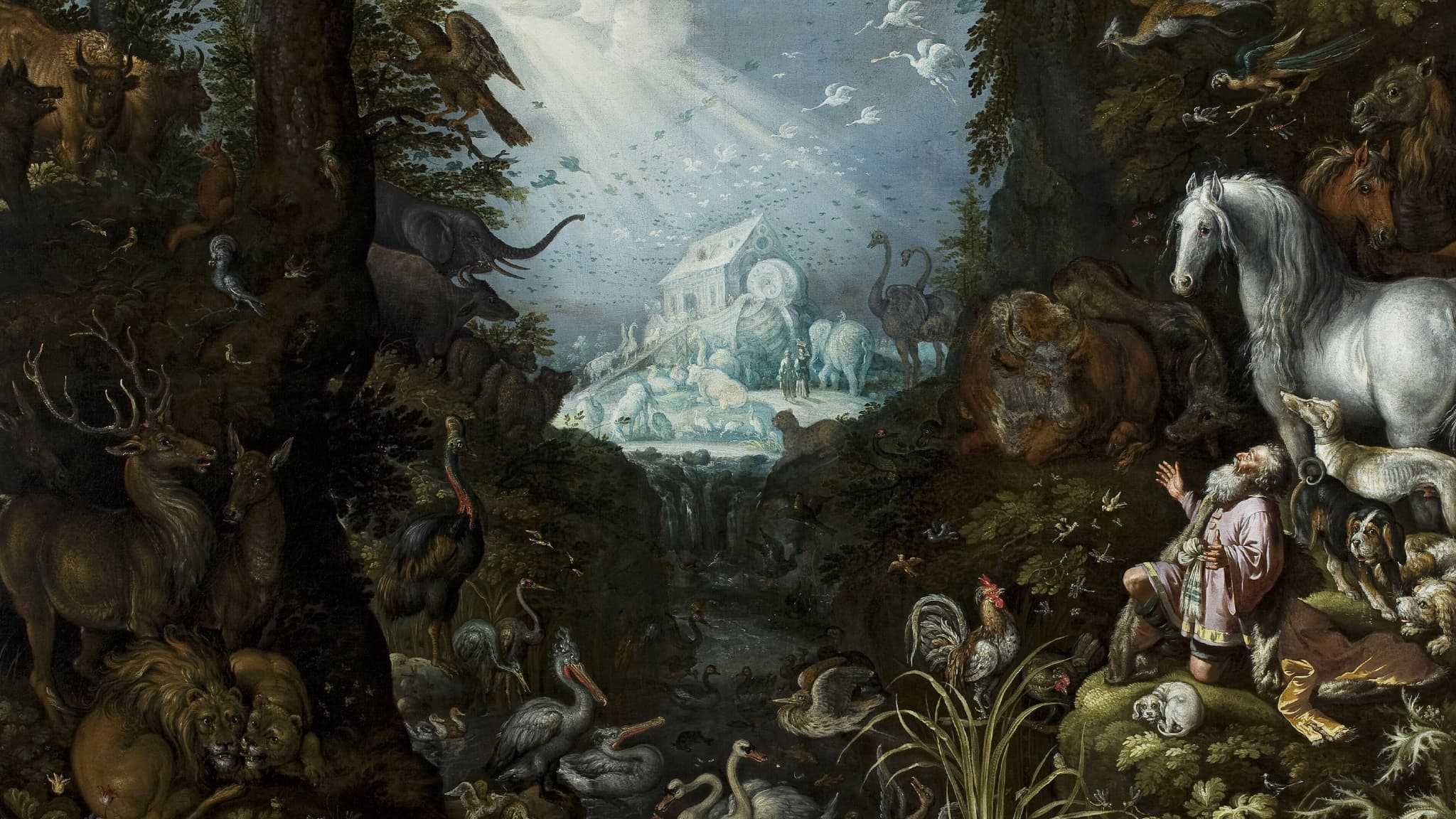
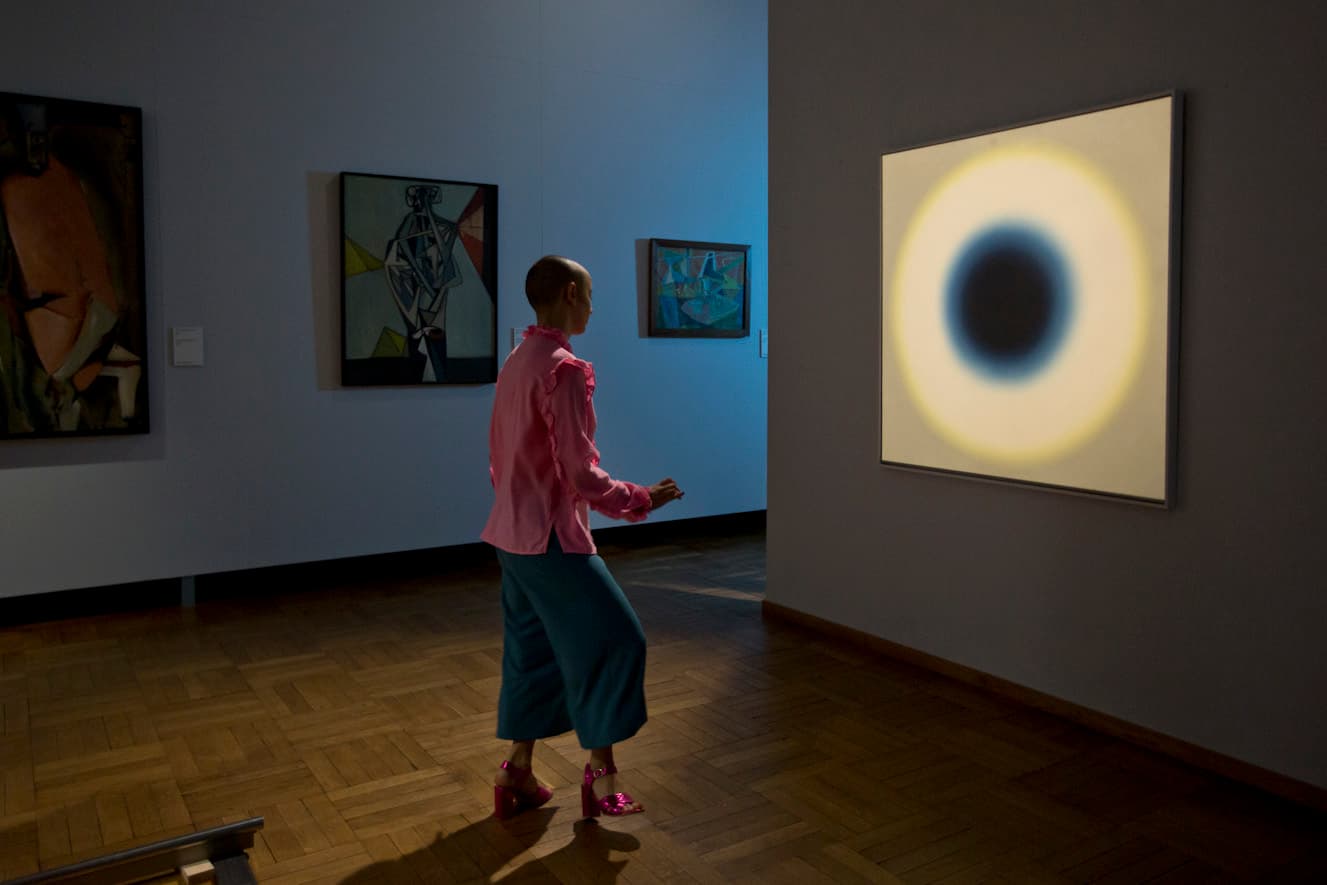
Traditional museums and art institutions typically exhibit their collections in a chronological order and according to “national schools” (e.g. Old Netherlandish, German, Italian, Dutch or Old Polish). While planning the refurbishment of the National Museum in Warsaw, we decided to break with the traditional approach and prepare an interesting narrative on the art of Poland and Europe as a whole. Hence, we no longer display “art in parcels” segmented according to geographic boundaries or “schools.” However, we have no intention of blurring the lines between ages and regions. On the contrary, we aimed to find diversity in collectivity. We prepared a cohesive exhibition that addresses many vital issues concerning art, creativity and the viewer. The exhibition is designed in a way so as to pique curiosity and evoke questions such as: Why were these works of art created? For what and for whom? What ideological and social messages do they carry? Whose aspirations and intentions do they express? What customs and rituals defined their functions?
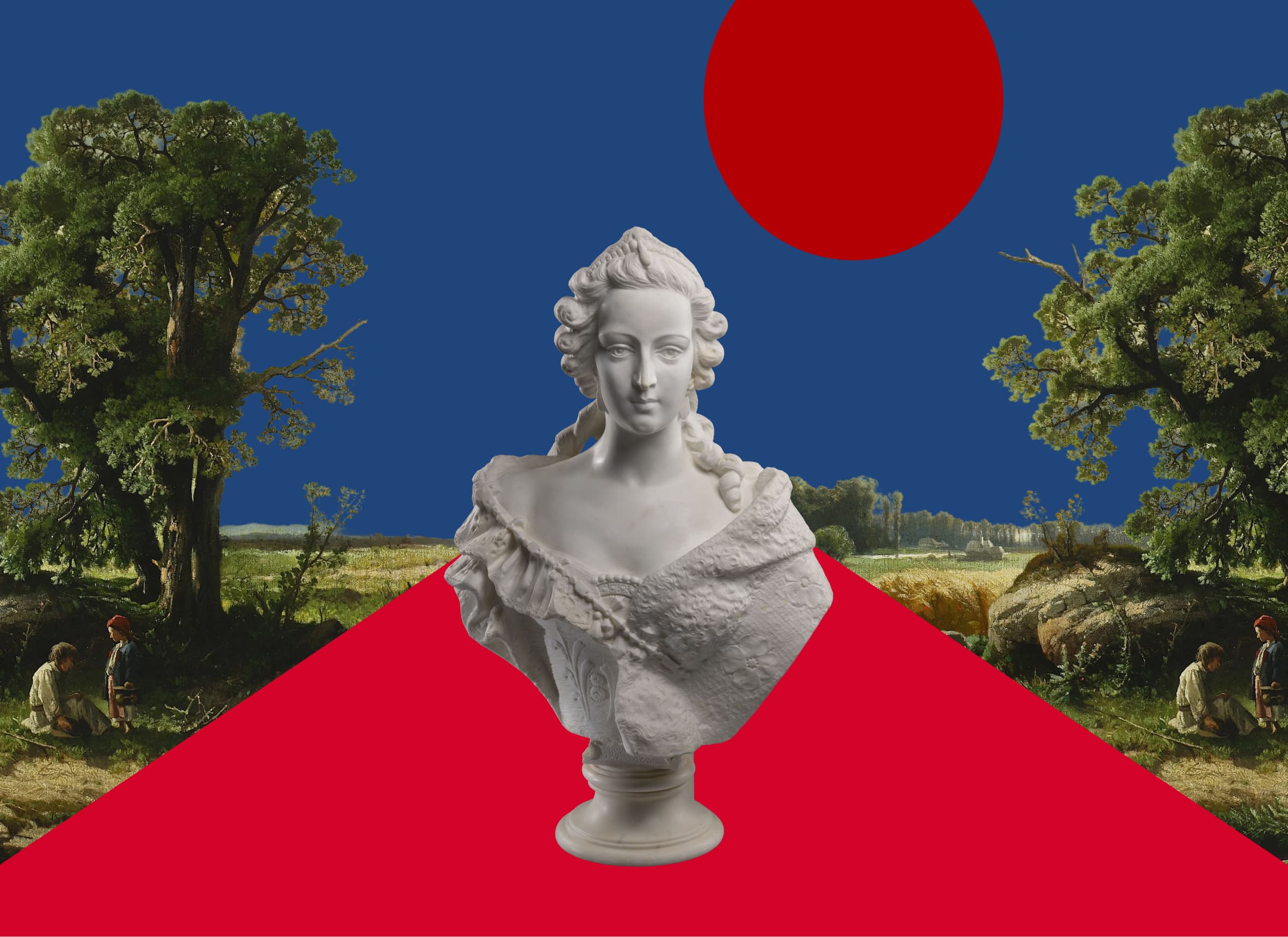
A particularly noteworthy position within this novel incarnation of the National Museum in Warsaw is held by the portrait gallery, with the new arrangement of paintings revealing the multitude of functions behind portraiture – including social, political and private. The Gallery of Old Polish and European Portraiture presents a comprehensive look at the old art of portrait-making and forms a link between two other galleries: the Gallery of European Old Masters and the Gallery of 19th Century Art.
Discover the digital collections of the National Museum in Warsaw and explore thousands of works of art — from painting and sculpture to prints, photography and decorative arts. Browse objects, artists and collections, learning their history through detailed descriptions and high-quality reproductions. Visit the site and see the richness of the MNW collections from anywhere, at any time.